
Adult Day Care Activity Ideas to Keep Clients Engaged
Adult day care centers provide a vital service, offering a ...
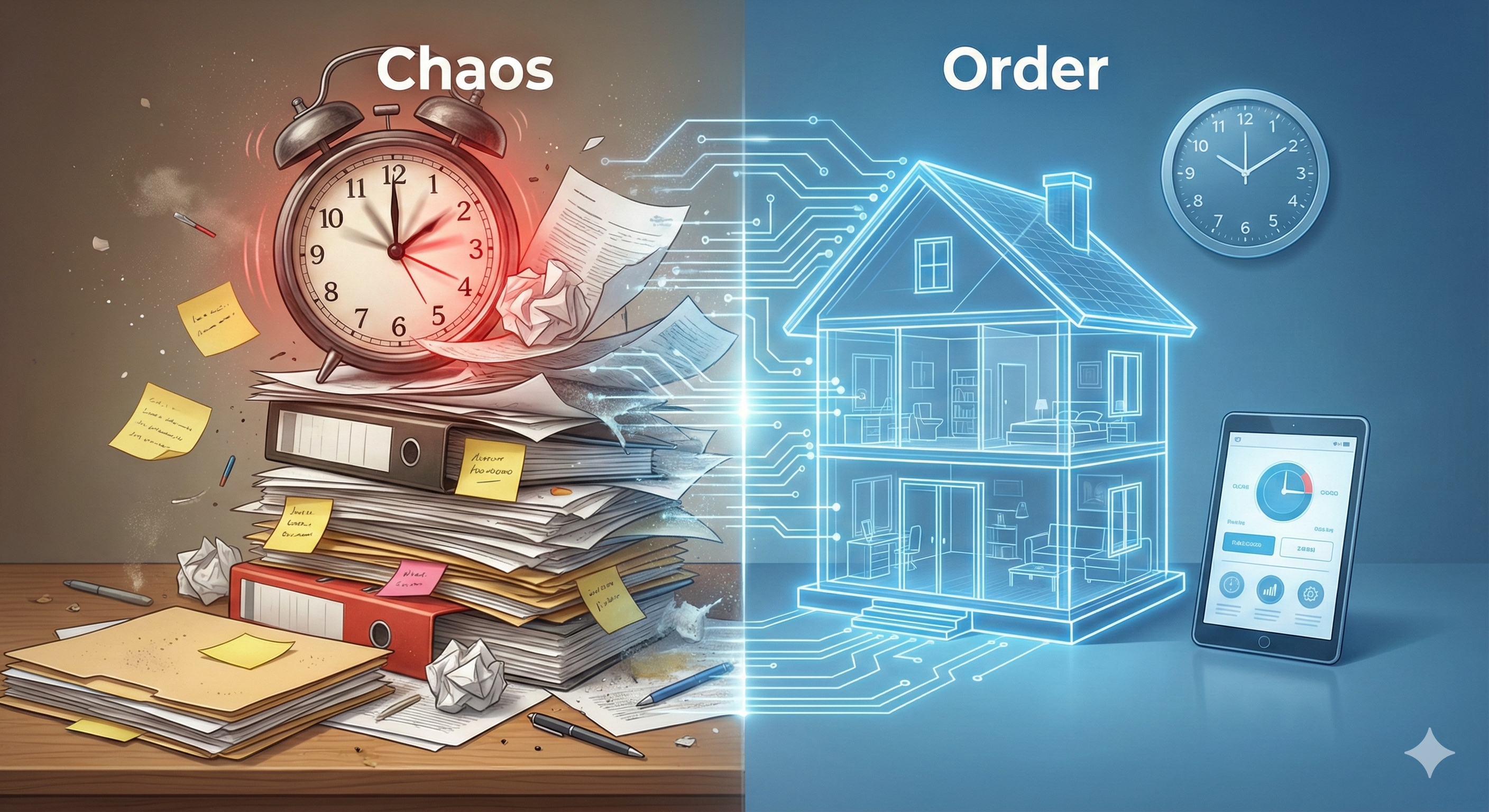
AI doesn't do the caring. It clears the path for it.
That's the promise, anyway. And unlike most AI hype, this one is actually delivering.
Home care leaders aren't interested in another demo that looks great on a screen but falls apart in the field. They want time back. They want fewer mistakes. They want caregivers who feel supported instead of overwhelmed. And they want clients and families who feel informed, connected, and safe.
This guide breaks down exactly how AI can deliver those gains with beginner-friendly ideas you can use today and more advanced workflows for agencies ready to build serious efficiency into their operations.
Home care has always been built on people, not gadgets. But the industry is drowning in paperwork,
onboarding, scheduling chaos, constant communication gaps, and a never-ending list of admin tasks that swallow hours of staff time every single day.
AI isn't here to replace the human part of care. It's here to remove the friction that slows everyone down.
The shift is straightforward: less manual busywork, fewer repetitive explanations, faster decision-making, better communication with families, and more time for actual care.
Agencies that lean into AI now will run circles around the ones who wait.
These are low-lift, low-risk, high-reward moves any agency can implement today with no technical expertise required.
The one minute video below should tell you everything you need to know about why you should give AI a try. Nick Bonitatibus coached a client on how to use AI to generate draft policies and procedures and it made her cry tears of joy.
Draft job postings, emails to referral partners, caregiver reminders, or FAQ answers using tools like ChatGPT. You don't need to be an AI scientist. You just give it context, paste a rough draft, and let it refine. What used to take 20 minutes now takes two.
Instead of falling down a Google rabbit hole, ask AI for summaries of regulations, comparisons of EVV vendors, or quick breakdowns of Medicaid program differences. Research time drops by 70 to 90 percent.
Upload caregiver shift notes or family messages and ask AI to turn them into a short daily summary. Even this simple workflow saves admin staff several hours each week and makes communication with families dramatically clearer.
Once your team is comfortable with the basics, these use cases push you into genuine efficiency territory.
Generate branded, consistent explanations for families: service reminders, schedule change notifications, care-plan updates, and clarifications of benefits or coverage. No more scrambling to explain the same thing five different ways.
Feed scheduling data into an AI tool to spot patterns you'd never catch manually: frequent cancelers, caregivers logging excessive overtime, clients who regularly need more hours than authorized, or windows where you're consistently understaffed.
With these insights, agency owners and administrators can adjust staffing proactively instead of reactively.
AI can help prioritize applicants, rewrite job posts to attract the right candidates, and create customized interview questions based on your exact caregiver persona. Recruitment cycles that used to take weeks can shrink to days.
It’s easy to get lost in the promises of new tech; here is a reality check on which AI applications are actually delivering ROI right now.
The home care software industry has started integrating AI, but the results are uneven. Here's what's actually out there.
AlayaCare has been promoting AI-assisted scheduling and prediction tools, with emphasis on demand forecasting, caregiver matching, and schedule optimization. Their messaging leans heavily on data models and predictive analytics baked into day-to-day operations.

Caregiver retention has become one of the industry's most pressing challenges, and companies like Zingage and Caribou Rewards are addressing it with gamification and rewards programs. Both platforms aim to improve caregiver engagement and reduce turnover through recognition systems. Caribou appears to be gaining more traction in the market, but both represent a growing focus on keeping caregivers engaged and motivated.
Most home-care software vendors are delivering early-stage AI: predictive suggestions, email drafts, engagement scoring, and efficiencies at the edges. Useful, but not transformative.
The industry is still waiting for something deeper, something that touches the real day-to-day grind of caregivers, families, and clients in a meaningful way.
The most successful agencies of the future won't just use AI—they will master the balance between digital efficiency and the "human touch."
At Ankota, we've been building software for home care, adult day services, HCBS programs for people with intellectual and developmental disabilities, and self-direction for years. Our focus has always been on supporting independent living across markets, across models.
Now we're applying AI in ways that go beyond the administrative layer and actually improve the care experience itself.
We're creating rich, context-aware summaries of care activities like ADLs, community engagement, learning goals, and social participation that give families and case managers the clarity they've been asking for. Instead of sifting through raw shift notes, they get digestible, meaningful updates.
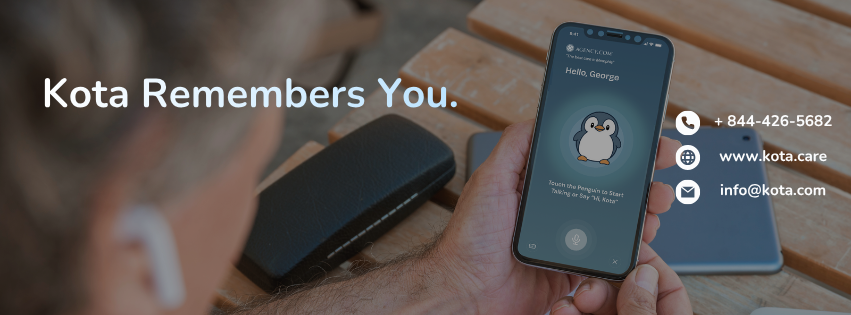
KOTA is our newest offering, designed to combat loneliness and isolation among home care recipients while keeping families and agencies connected. It's more than a chatbot. KOTA provides daily reminders (including wake-up confirmations), detects safety concerns through natural conversation, and escalates issues to families and agencies when needed.
It also replaces traditional PERS (Personal Emergency Response Systems) with a more reliable, longer-lasting solution. While most PERS devices have a 48-hour battery life, KOTA uses a Bluetooth Low Energy (BLE) button that lasts an average of a year before needing a battery replacement.
We're distributing KOTA through home care agencies because they're uniquely positioned to solve the "last mile problem": emergency response coordination, battery monitoring, ensuring clients are wearing their alert devices, and maintaining real human connection.
Click to Learn more about Kota
Beyond client-facing features, we're using AI to streamline the grunt work: attendance documentation in adult day centers, state-specific service grids, reimbursement summaries, and shift note processing. This is the "hands dirty" operational stuff that most software vendors don't touch.
If you're serious about using AI to improve care, not just admin efficiency, this is the kind of thinking that matters. Click here to Learn More about Ankota
Here's the next wave of AI that home-care leaders should be watching closely.
Using historical performance data, engagement patterns, and shift metrics, agencies will soon be able to predict which caregivers are likely to leave and intervene before it happens. Retention is expensive to fix after the fact. Prediction makes it manageable.
AI that can read, simplify, and continuously update care plans so caregivers always have the context they need, not walls of impenetrable text. This means better care delivery and fewer errors.
Changes in voice tone, sleep patterns, or interaction frequency may soon signal early cognitive decline, depression, or distress long before a medical crisis occurs.
Fully AI-driven workflows that rewrite documentation, prefill EVV data, draft care notes, and prepare billing summaries with minimal human intervention. This is the endgame: operations that run themselves while humans focus on care.
Here's a simple, phased approach to adopting AI without overwhelming your team.
Start using AI for rewriting and summarizing. Train office staff on quick wins. Add AI to recruitment workflows. Try AI-powered family communication drafts.
Add AI summaries directly inside your platform. Introduce scheduling analytics. Capture wellbeing concerns automatically. Implement documentation shortcuts.
Launch client engagement features. Add panic-button escalation workflows. Begin predictive monitoring. Implement AI-driven compliance automation.
This phased approach keeps the team confident instead of overwhelmed and ensures you're getting ROI at every stage.
Real-world wins you can expect:
These aren't hypotheticals. They're happening now.
See how AI-driven companions are stepping in to help agencies navigate the looming caregiver crisis.
The future of home care isn't tech replacing humans. It's tech supporting humans so they can focus on what actually matters: care.
The agencies who adopt AI now will build stronger teams, deliver better care, and stay ahead as regulations tighten and margins shrink.
We're building the tools to make that happen. And we're just getting started.
Ankota's mission is to enable the Heroes who keep older and disabled people living at home to focus on care because we take care of the tech. If you need software for home care, EVV, I/DD Services, Self-Direction FMS, Adult Day Care centers, or Caregiver Recruiting, please Contact Ankota. If you're ready to accept that the homecare agencies of the future will deliver care with a combination of people and tech, visit www.kota.care.

Ken is the founder and CEO of Ankota, a company that helps any organization that helps older or disabled people live independently in their home of choice. Having grown up with a disability and a passion for healthcare, this is Ken's mission
.png)
.png)




Trusted by home care agencies nationwide