
Adult Day Care Activity Ideas to Keep Clients Engaged
Adult day care centers provide a vital service, offering a ...
Home Health and Private Duty agencies might share this with their clients or repost on their own web sites.
Caring for an elderly parent consumes tremendous time and effort and is often an emotional and financial drain. No matter how devoted they are, family members have limited time and proximity is often a challenge.
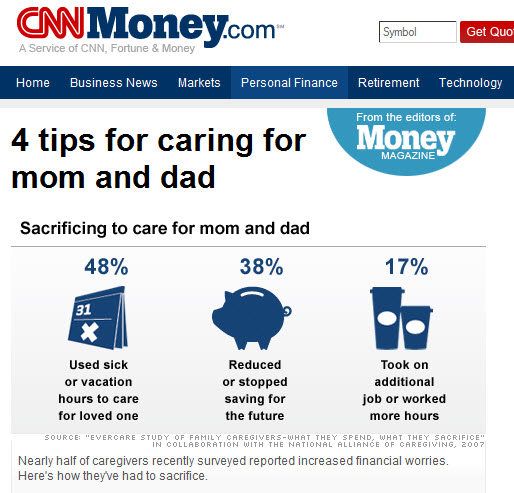
Here are some helpful ideas from CNN Money magazine, “4 Tips for Caring for Mom and Dad,” and ways to manage family communications from Ankota. Additional resources are listed below.
It is estimated that 7 million Americans care for an elderly relative from a distance. 48% of them have to use sick or vacation days, and 38% report that they have to stop or reduce their savings during this time, according to the National Alliance for Caregiving (NAC). The same study reports that long-distance caregivers spend an average of $8700 per year providing support, roughly twice as much as nearby relatives.
CNN Money Tips:
1) Know Mom’s Needs. Things to look out for: “You’re looking for significant changes from normal patterns,” says Donna Wagner, a gerontology professor at Towson University.
2) Create a DIY Plan. Identify local friends or family who can help, and put together a checklist . Local grocery delivery might be useful, for example.
3) Get Low-Cost Help.
4) Bring on a Professional.
More on getting help or hiring a professional: Personal Care or “Private Duty” Aids range from $15-30/hour and are ideal for helping with things like cooking, housekeeping, baths, and so on. Nurses can be hired through Private Duty and Home Health care companies in your area for those who need medical care.
For more comprehensive help, a geriatric care manager can be hired. You might check out Caring For Your Parents by Elinor Ginzler of AARP. Ginzler’s article The Cost of Caregiving on AARP’s website is also an excellent resource.
Ankota Tip About Caregiver-to-Family Communications:
In focus groups sponsored by Ankota, a recurring frustration among family members is the inconsistency of communications from caregivers to family members. This should not be left only to phone calls and the bill should not be a primary means of communication. Family members should insist on regular electronic updates. Technology like Ankota’s FamilyConnect ensures secure and consistent, proactive communications that leverage text messaging and email, and provide a family portal.
By staying informed and on top of things, family members can alleviate some of the stress that comes along with caring for an aging parent.
Resources:
FamilyConnect from Ankota automates repetitive communications between caregivers and family members. All home health and private duty agencies should use some form of communicating like this.
Informal Caregiving by and for Older Adults by Donna Wagner, Professor of Gerentology and Health Sciences, Towson University, Towson, Maryland.
Lotsa Helping Hands is a free, private, web-based community that can also help organize family and friends.
The Cost of Caregiving an article by Elinor Ginzler on AARP’s web site
Caring for Your Parents a book written by Elinor Ginzler
Learn more about using checklists in these two recent Ankota articles: The Checklist Manifesto and Checklists Improve Quality of Care
BeClose Simple, unobtrusive home monitoring provides real-time, remote activity monitoring in the home.
.png)
.png)




Trusted by home care agencies nationwide